Meaghan Ralston, December 22, 2025
As the B2B cannabis market matures in 2026, buyers want more than potency numbers and marketing language. Domestic processors, medical importers and export programs need suppliers who can prove they control their environments, document their work and deliver the same outcome every time.
Below is a clear guide to the cultivation concepts that help buyers evaluate whether a supplier can provide stable, compliant and repeatable cannabis at scale. We start with familiar concepts and move into the operational indicators that show true production maturity.
This guide reflects our approach to controlled cultivation, where environmental discipline and documentation are treated as commercial fundamentals, not marketing claims.
1. Cannabis COA Stability and Variance Control
In practice, most buyers understand COAs, but what matters now is how consistent they are over time. A supplier with wide variance is not in control of its environment or its process.
Commercial Implications
- Predictable potency supports reliable formulation
- Stable terpene ratios protect SKU consistency
- Reduced drift lowers the risk of medical rejection
Stable COAs signal a stable operation.
2. Trichome Uniformity in Cannabis
Many buyers look at trichome maturity, but more importantly, uniformity is the real indicator of consistency. Even ripening suggests controlled environments.
Commercial Implications
- Predictable extraction yields
- Consistent morphology
- Stable medical performance
Uneven trichomes hint at unstable cultivation conditions.
3. EC Management (Electrical Conductivity)
Most growers track EC but few control it with precision. EC reflects nutrient concentration which shapes plant health and chemical expression.
Commercial Implications
- Stable EC supports consistent cannabinoid output
- Reliable terpene profiles
- Predictable structure and density
Inconsistent EC equals inconsistent product. In other words, EC is one of the fastest ways to spot process discipline.
4. VPD Control (Vapour Pressure Deficit)
VPD links humidity and temperature to plant transpiration. It is one of the most important indicators of environmental control. As a result, VPD logs often show in serious buyer due diligence.
Commercial Implications
- Reduced mold and PM risk
- More stable terpenes
- Uniform bud development
Export programs often review VPD logs because VPD speaks directly to environmental discipline.
5. Environmental Stability of Cannabis Grows
This includes temperature, humidity, irrigation timing, airflow, CO₂ levels and lighting. Buyers should look for stability not wide swings. For example, swings in humidity and temperature, often show up later as COA drift.
Commercial Implications
- Environmental fluctuation creates COA variance
- Stable environments produce predictable flower
- Consistent inputs lead to consistent outcomes
If a supplier cannot maintain stable environments they cannot deliver reliable batches.
6. Micro Adjustments and Micro Corrections for Cannabis Production Optimization
Serious cultivators refine their environment through small, controlled changes. This is the difference between maintaining plants and optimizing them. Meanwhile, mature operators make small corrections before issues become outcomes.
Commercial Implications
- Consistent morphology
- Predictable terpene expression
- Reduced risk of batch drift
Suppliers who track micro adjustments tend to produce the most stable product.
7. Batch Consistency and Cannabis Flower Morphology Predictability
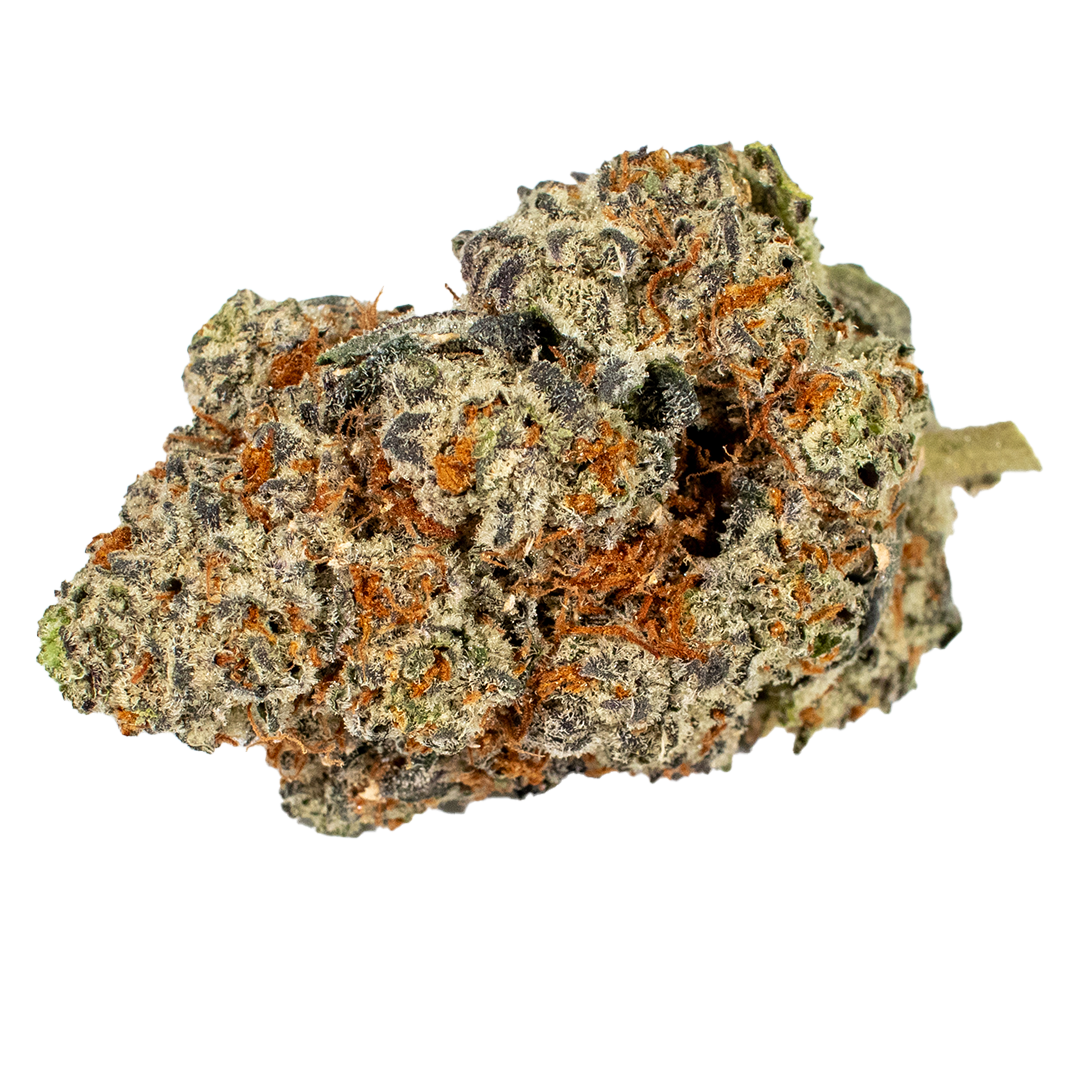
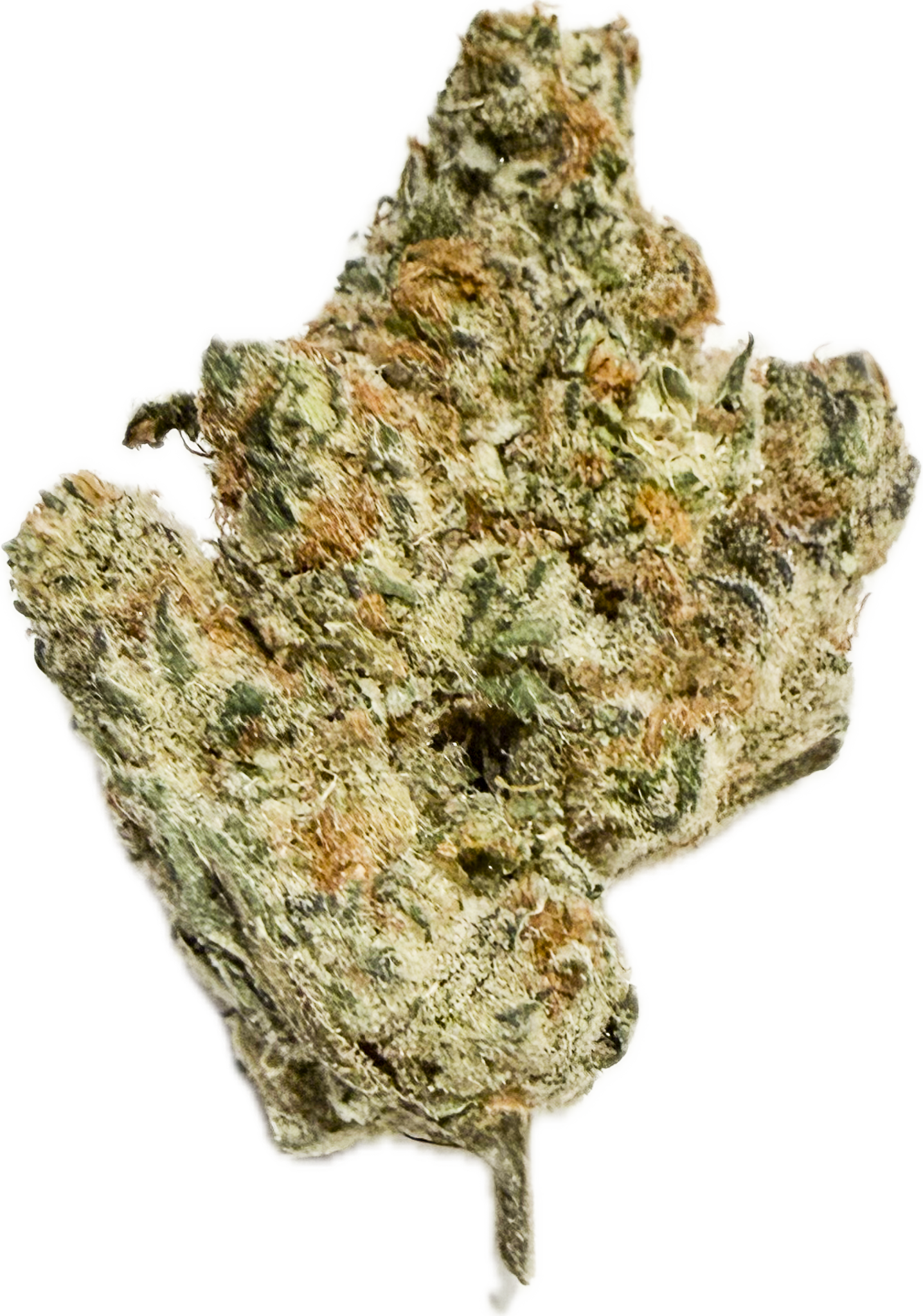
A quick visual check can tell a buyer whether a supplier is in control. Uniform structure equals uniform process. Ultimately, morphology is a visual summary of process control.
Commercial Implications
- Predictable trim and mill yields
- Consistent extraction efficiency
- Reliable downstream development
Irregular morphology usually reflects weak environmental management.
8. SOP Discipline
Most facilities have SOPs, but few execute them with precision. What matters is whether the supplier can produce proof of consistent procedure.
Commercial Implications
- Documentation supports export approval
- Reliable workflows reduce risk
- Traceability protects medical compliance
If logs are incomplete or inconsistent the operation is not truly stable. Because of this, documentation becomes a buyer filter.
9. Sanitation Cycles and Cleanroom Protocols
Cleanliness is a core pillar of quality. A well-run facility treats sanitation as part of cultivation not an afterthought. In addition, sanitation directly affects shelf life and microbial outcomes.
Commercial Implications
- Improved microbial stability
- Fewer COA failures
- Better shelf life
- Higher medical eligibility
Clean environments create cleaner outcomes.
10. Repeatability
Repeatability means producing the same result across cycles, seasons and rooms. This is the single strongest indicator of supply reliability in 2026. Put simply, repeatability is what makes a supplier bankable.
Repeatability Impacts
- Pricing stability
- Forecasting
- SKU consistency
- Export acceptance
- Medical dosing integrity
In 2026 the strongest suppliers are not the ones producing occasional great batches but the ones producing consistent batches every time.
Pure Blue Cannabis treats repeatability as a core operational value. It informs our systems, our documentation and our partner commitments.
Final Takeaway for B2B Buyers
You are not evaluating how good a grower can be on their best day. You are evaluating whether their systems can deliver the same result on every day that matters to your supply chain.
The terms above reveal exactly that. EC stability, VPD control, environmental consistency, micro adjustments, documentation, sanitation and repeatability are not technical details. They are commercial indicators of a supplier’s ability to support long term domestic, medical and export relationships.
Pure Blue Cannabis invests heavily in these fundamentals because reliability is the foundation of every B2B partnership we hold. Check out our story to find out more about PBC.
Home » The Cultivation Terms That Actually Matter in 2026: A Practical Guide for B2B Cannabis Buyers